.png)



Persistent heel pain can make walking, working, and training difficult. Ascent combines focused treatment with progressive movement and strength to help you build lasting improvement.
Persistent heel pain can affect how you walk, work, exercise, and plan your day. You may recognize one or more of these patterns.
Your first steps in the morning are painful
The heel loosens up temporarily but begins hurting again later
Standing, walking, running, or training aggravates the area
Rest and stretching have helped temporarily, but the pain keeps returning
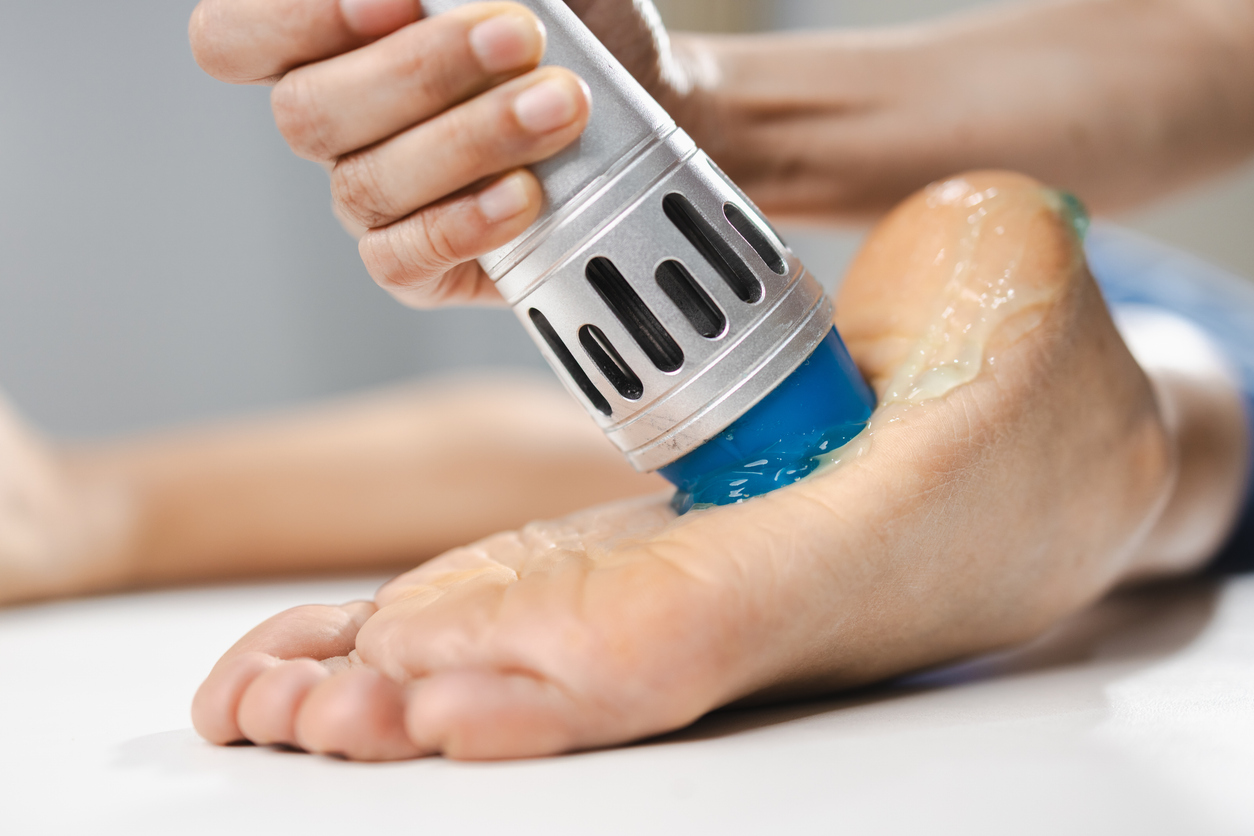
Plantar fasciitis often develops when the demands placed on the plantar fascia exceed what the tissue can currently tolerate. Changes in activity, prolonged standing, limited ankle mobility, calf weakness, footwear, and the way the foot manages load may all contribute.
Rest may temporarily settle the pain, but symptoms frequently return when normal activity resumes. Lasting improvement often requires addressing contributing factors while gradually rebuilding the foot and lower leg’s capacity for walking, work, exercise, or sport.
We look beyond the painful spot to understand what may be keeping the area irritated, then combine appropriate treatment with progressive movement and strength.
Assess the painful area along with ankle mobility, foot and calf strength, movement patterns, and activity demands.
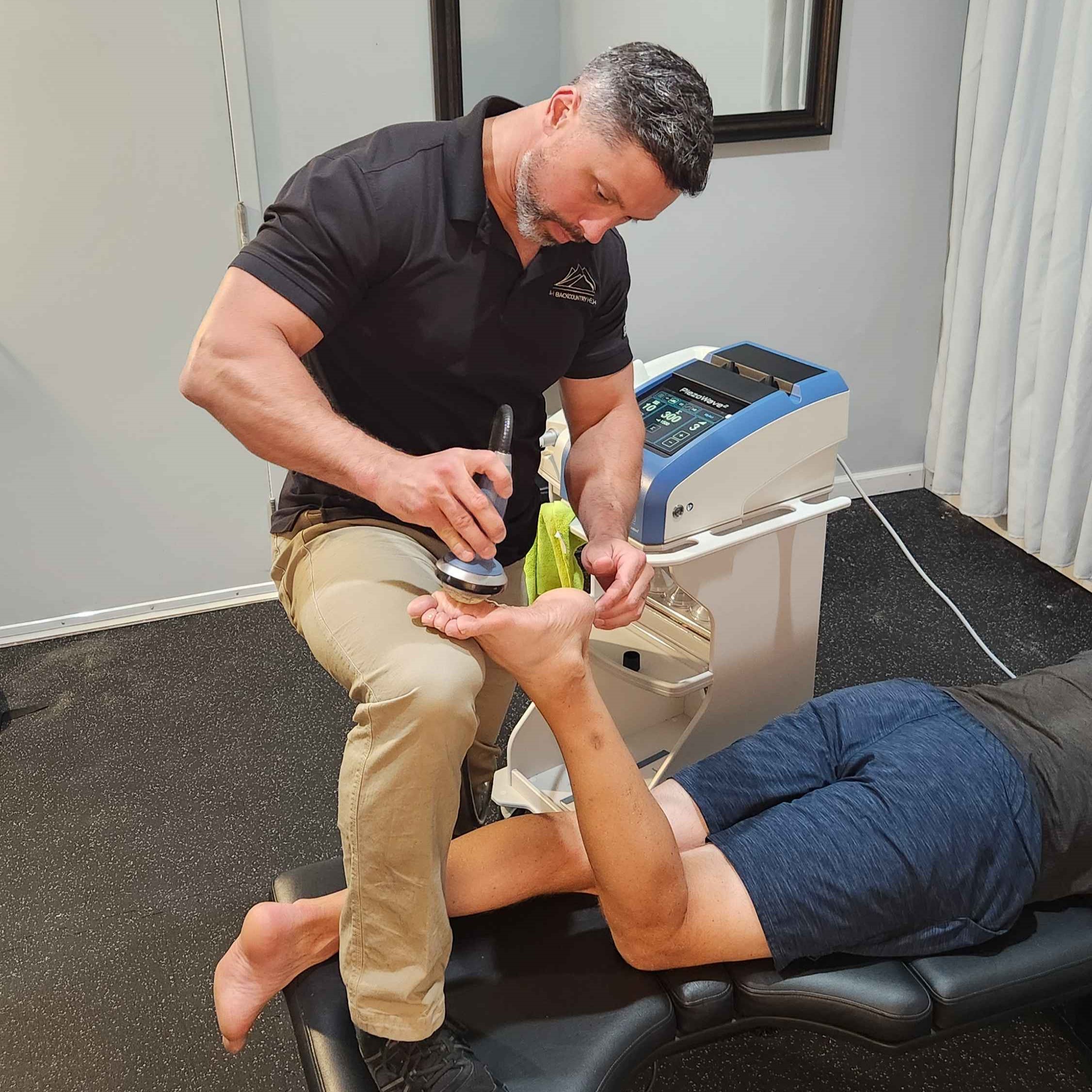
Use focused shockwave therapy when appropriate, alongside progressive loading to help the plantar fascia tolerate more.
Build the strength and practical plan needed to return to comfortable walking, work, training, or sport.
Plantar fasciitis is rarely just an irritated spot on the bottom of the foot. Persistent symptoms may also involve reduced ankle mobility, limited calf capacity, changes in walking or running mechanics, sudden increases in activity, or difficulty tolerating repeated loading.
Rest may temporarily reduce discomfort, but symptoms often return when the foot is exposed to the same demands. Lasting improvement usually requires identifying the factors keeping the tissue sensitive and gradually rebuilding its ability to tolerate walking, running, work, and training.
At Ascent, care may include:
The right combination depends on your symptoms, activity demands, and what previous treatment has—or has not—addressed.
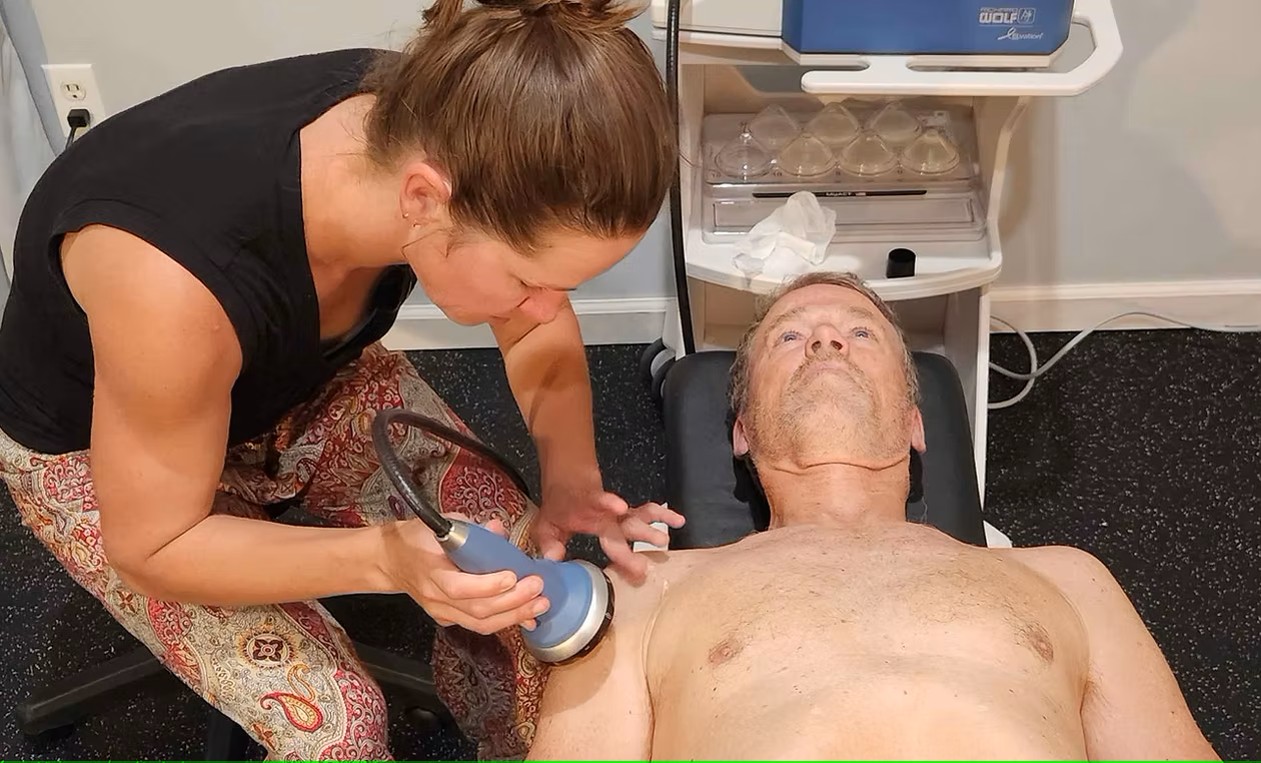
PiezoWave2 focused shockwave therapy delivers targeted acoustic waves to the affected tissue and is combined with an evaluation of the factors that may be contributing to your heel pain.
One-on-one physical therapy can identify mobility, strength, and loading factors contributing to persistent foot pain, then build a progressive plan for returning to activity.
Chiropractic and movement-based care can address contributing restrictions throughout the foot, ankle, calf, and lower extremity while helping you rebuild comfortable movement.
Dr. Tyler Wright and Dr. Laura Peterson Wright combine focused shockwave therapy, hands-on care, and movement-based rehabilitation to address persistent heel pain and help patients return to the activities they value.
Explore practical articles from the Ascent team about movement, strength, recovery, and the activities that matter to you.
+++Tell us what you’re dealing with and what you’d like to get back to doing. Our team will review your information and help you determine the most appropriate next step.